Need Service Today? Contact Us Now!


How Southern California’s Rapid Weather Swings Stress Your HVAC System
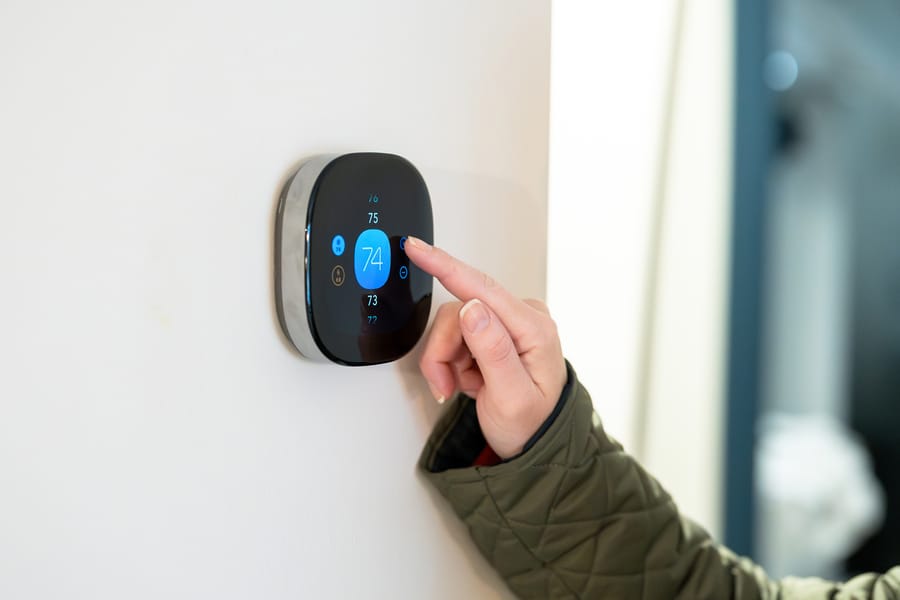
Living in Southern California, and specifically here in Mission Viejo, we are accustomed to a very specific type of weather pattern. It is not uncommon to wake up to a cool, misty morning where you find yourself reaching for a light jacket, only to be blasting the air conditioning by 2:00 PM when the sun breaks through and temperatures soar into the 80s or 90s. While we love the variety, these rapid weather swings create a significant amount of stress for your home’s HVAC system.
Unlike regions where the temperature stays relatively consistent throughout the day, our local microclimates force heating and cooling systems to pivot constantly. This “on-again, off-again” demand is much harder on mechanical equipment than running at a steady pace for several hours. When your system has to transition from heating a chilly house at 6:00 AM to cooling a sun-soaked living room by noon, it undergoes physical expansion and contraction that can lead to premature wear and tear.
At Mission Viejo Heating & Air, we see the results of this environmental stress every season. Homeowners often find themselves caught in a cycle of adjusting the thermostat to keep up with the outdoor changes, unknowingly putting their compressors and motors through an endurance test. Understanding how these rapid shifts affect your equipment is the first step in ensuring your home stays comfortable regardless of what the Santa Ana winds or the coastal fog have in store.
The Short-Cycling Trap
One of the most common issues caused by Southern California’s fluctuating temperatures is a phenomenon known as short-cycling. This happens when your HVAC system turns on and off too frequently. Because our morning temperatures are often right on the edge of “comfortable,” your system might kick on for only five or ten minutes before satisfied sensors tell it to shut down again.
The Mechanical Toll of Frequent Starts
The hardest part of an HVAC system’s job is the “startup” phase. This is when the most electricity is consumed and when the internal components experience the highest level of friction.
-
Compressor Strain: In an air conditioner, the compressor is the heart of the system. Constant starting and stopping prevents it from reaching a steady state, which can shorten its lifespan significantly.
-
Fan Motor Wear: Every time the system starts, the blower motor must overcome inertia to get the fan spinning. During rapid weather swings, these motors can be forced to start dozens of times more per day than they would in a steady climate.
-
Electrical Component Fatigue: Capacitors and contactors are designed for a certain number of “cycles.” The rapid shifts in Mission Viejo weather cause these parts to burn out much faster than the manufacturer might have predicted.
Energy Efficiency and Your Utility Bill
Short-cycling is also an enemy of your wallet. Your AC is least efficient during the first few minutes of operation. It takes time for the refrigerant to reach the optimal pressure and temperature to actually start cooling your home effectively. If the weather is swinging rapidly and your system is constantly cutting out early, you are paying for the high-energy startup phase without ever getting the benefit of the efficient “cruise” phase. This is why many Orange County residents see high utility bills even during months when the average temperature seems relatively mild.
Humidity and the Coastal Influence
Living in Mission Viejo means we are constantly balancing the dry air of the inland valleys with the moisture-rich marine layer from the Pacific. This tug-of-war between damp coastal fog and dry Santa Ana winds creates a unique set of challenges for your HVAC system. In Southern California, your air conditioner does much more than just lower the temperature; it acts as a primary dehumidifier for your home.
The Battle Against High Humidity
When the “June Gloom” rolls in, the air becomes heavy with moisture. Even if the temperature is only 72 degrees, high humidity can make your home feel “sticky” or “clammy.” To combat this, your AC must work harder to pull water vapor out of the air before it can effectively lower the temperature.
-
Condensation Overload: As your system removes moisture, that water must go somewhere. Rapid humidity spikes can cause your condensate drain line to work overtime. If the line is even slightly clogged with dust or algae, the extra moisture can lead to backups and water damage.
-
Evaporator Coil Stress: The evaporator coil is where the cooling happens. When the air is very humid, the coil stays wet for longer periods. This moisture, combined with any dust that bypasses your filter, can create a breeding ground for biological growth, which restricts airflow and reduces efficiency.
-
Indoor Air Quality: Constant moisture swings can lead to musty odors in your ductwork. Without proper maintenance, the dampness from a foggy morning can settle in your vents, affecting the air your family breathes throughout the day.
The Impact of Dry Santa Ana Winds
On the flip side, when the Santa Ana winds kick up, the humidity can drop to single digits in a matter of hours. This extreme dryness affects your system in a completely different way.
-
Dust and Particulates: Santa Ana winds carry fine sand, silt, and ash that can infiltrate your outdoor condenser unit. These abrasive particles act like sandpaper on the moving parts of your fan motor and can coat your electrical connections.
-
Static Electricity: Very dry air increases the risk of static discharge, which can occasionally interfere with sensitive thermostat electronics or control boards.
-
Filter Clogging: The heavy dust load carried by these winds means your air filter will likely reach its capacity much faster than the standard three-month recommendation. A clogged filter during a dry heatwave is a recipe for a frozen coil and a system breakdown.
At Mission Viejo Heating & Air, we understand these local environmental factors. We don’t just look at the temperature; we look at how the coastal moisture and desert winds are impacting every component of your HVAC system.
Thermostat Confusion and “Auto” Mode Struggles
With the dramatic shift between a chilly Mission Viejo morning and a scorching afternoon, many homeowners are tempted to use the “Auto” setting on their thermostats. While this feature sounds convenient, it can actually create a lot of confusion and stress for your HVAC system if it isn’t managed correctly.
The Danger of Constant Mode Switching
In Southern California, your home might genuinely need the heater at 7:00 AM and the air conditioner by 1:00 PM. However, forcing your system to pivot between these two entirely different functions without a “reset” period can lead to mechanical failure.
-
Refrigerant Pressure Stabilization: When an air conditioner runs, the refrigerant is under high pressure. If you immediately switch to heating, the system doesn’t have time for that pressure to equalize. This can cause the compressor to lock up or trip a circuit breaker.
-
The “Deadband” Setting: To prevent your heater and AC from “fighting” each other, your thermostat uses a deadband—a small temperature range where neither system runs. If this range is too narrow (for example, if you set the heat to 70 and the AC to 72), the system might cycle back and forth dozens of times a day as the house fluctuates, which is extremely inefficient and hard on the equipment.
-
Component Shock: Rapidly heating and then cooling the internal metal components of your furnace and AC causes them to expand and contract quickly. Over time, this “thermal shock” can lead to cracks in the heat exchanger or leaks in the refrigerant coils.
Why Smart Thermostats Are a Local Game-Changer
For Orange County residents, a smart thermostat is one of the best investments you can make. Unlike older manual models, smart thermostats are designed to handle these rapid swings intelligently.
-
Built-in Delays: Most modern smart thermostats have a forced five-minute delay between modes. This protects your compressor by ensuring the refrigerant pressure has equalized before the system starts a new cycle.
-
Learning Algorithms: These devices learn how your specific home in Mission Viejo reacts to the sun. They can “anticipate” the afternoon heat and gradually taper off the heating in the morning, preventing that sudden, jarring switch from one mode to another.
-
Remote Management: If you are away at work and notice a sudden heatwave or a cold front moving in on your weather app, you can adjust your home’s “target” temperature from your phone to prevent the system from working too hard while the house is empty.
Maintenance Strategies for Year-Round Resilience
Because Southern California’s climate demands so much from your HVAC system, “waiting for something to break” is a recipe for an expensive mid-summer emergency. Proactive maintenance is the only way to ensure your system can handle the rapid transitions from cold mornings to hot afternoons.
High-Frequency Filter Management
In many parts of the country, changing your air filter every three months is sufficient. In Mission Viejo, the combination of coastal moisture and dusty Santa Ana winds often requires a much stricter schedule.
-
The Dust Factor: During dry spells, dust levels in Orange County spike. If your filter is even partially clogged, the blower motor must consume significantly more electricity to pull air through, leading to the “overwork” issues mentioned earlier.
-
The Moisture Factor: On foggy mornings, a dirty filter can absorb moisture from the air. This damp dust becomes heavy and can eventually lead to a “frozen coil,” where your air conditioner literally turns into a block of ice and stops cooling entirely.
Bi-Annual Professional Tune-Ups
Most HVAC manufacturers recommend one tune-up per year. However, due to our unique weather swings, we strongly recommend a bi-annual approach: once in the spring to prep for the heat, and once in the fall to ensure the furnace is ready for those chilly coastal mornings.
-
Sensor Calibration: Your system relies on sensors to know exactly when to turn on and off. If these sensors are off by even a few degrees, your system will cycle too often or stay on too long, wasting energy.
-
Electrical Inspection: We check capacitors and contactors for signs of “pitting” or wear. Catching a weak capacitor during a tune-up is much more affordable than replacing it during a 95-degree heatwave.
-
Moving Part Lubrication: To combat the friction caused by frequent startups, our technicians ensure that all motors and bearings are properly lubricated. This reduces the “amp draw” and keeps your utility bills in check.
Staying Comfortable in Mission Viejo
Don’t let a sudden heatwave or a cold snap catch you off guard. At Mission Viejo Heating & Air, we are experts in the specific microclimates of Orange County. Our team is ready to provide a tune-up to ensure your system is calibrated for Southern California’s unique demands.
Contact us today to schedule your service and enjoy the peace of mind that comes with a perfectly balanced home.
Recent News
How Coastal Orange County Weather Affects HVAC System Performance
Is a Smart Thermostat Worth Installing in Orange County Homes?
Why Some Mission Viejo Homes Stay Warm Even With the AC Running
Orange County Cooling Guide: Why Mission Viejo Homes Need High-SEER AC Units in 2026
The Hidden Cost of “Wait and See”: Why April Maintenance Saves Lake Forest Homeowners Thousands in July