Need Service Today? Contact Us Now!


How to Prep Your AC for Orange County’s Early Spring Warm Spells
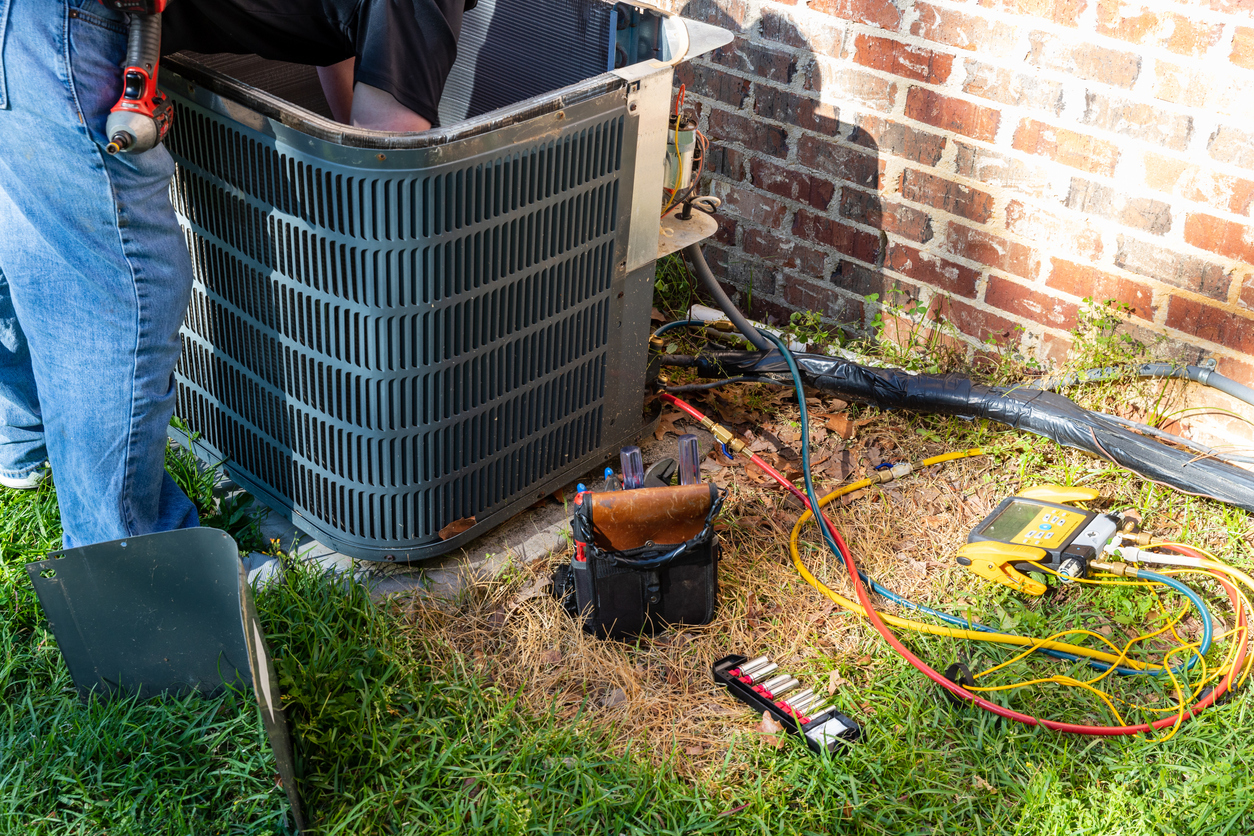
In Orange County, spring is less of a slow transition and more of a series of sudden temperature spikes. We might enjoy a crisp, 60 degree morning in Mission Viejo, only to find the mercury climbing toward 85 degrees by mid-afternoon. These early warm spells are the ultimate “pop quiz” for your air conditioning system. After sitting dormant or running sparingly through the winter, your AC is suddenly expected to perform at peak capacity.
If your system is not prepared, that first warm afternoon can lead to more than just a little sweat. It can result in “frozen” coils, electrical shorts, or a complete system breakdown just when you need relief the most. At Mission Viejo Heating & Air, we have helped thousands of South County residents navigate these seasonal transitions.
Preparing your AC for the spring is not just about comfort. It is about efficiency, air quality, and protecting one of the most expensive investments in your home. In this guide, we will walk you through the essential steps to ensure your system is ready for the first Santa Ana winds or spring heatwave of 2026.
The Unique Challenge of Orange County Springs
Orange County has a Mediterranean climate, which is wonderful for beach days but tricky for HVAC systems. We often experience “Microclimates” where Mission Viejo might be ten degrees warmer than Laguna Beach, and the air can go from damp and salty to bone-dry in a matter of hours.
The Dust and Pollen Factor
Spring in the Saddleback Valley brings a massive influx of pollen from local oaks, sycamores, and grasses. If your AC has been off all winter, dust has likely settled deep within the unit. When you flip the switch to “Cool” for the first time, all that accumulated debris is sucked into your system, creating an immediate bottleneck for airflow.
The Thermal Shock of Warm Spells
When a system that hasn’t run in months is suddenly forced to lower the temperature by 20 degrees, it experiences thermal shock. Components like the capacitor, which acts as a “battery” to kickstart your motor, are under the most stress during these initial spring startups.
Step 1: The Critical Filter Swap
The most important thing any Mission Viejo homeowner can do is change the air filter. It sounds simple, but it is the number one reason for spring service calls.
-
Pollen Protection: During an Orange County spring, your filter is your first line of defense against allergens. A fresh, high-quality filter (look for a MERV 8 or higher) will trap those fine particles before they enter your lungs.
-
Airflow Efficiency: A dirty filter forces your blower motor to work twice as hard to pull air through the system. This not only raises your Southern California Edison bill but can also cause your evaporator coil to freeze into a block of ice.
-
Monthly Checks: Because our “warm spells” can be dusty, we recommend checking your filter every 30 days during the spring, especially if you have pets.
Step 2: Clear the Outdoor Condenser Zone
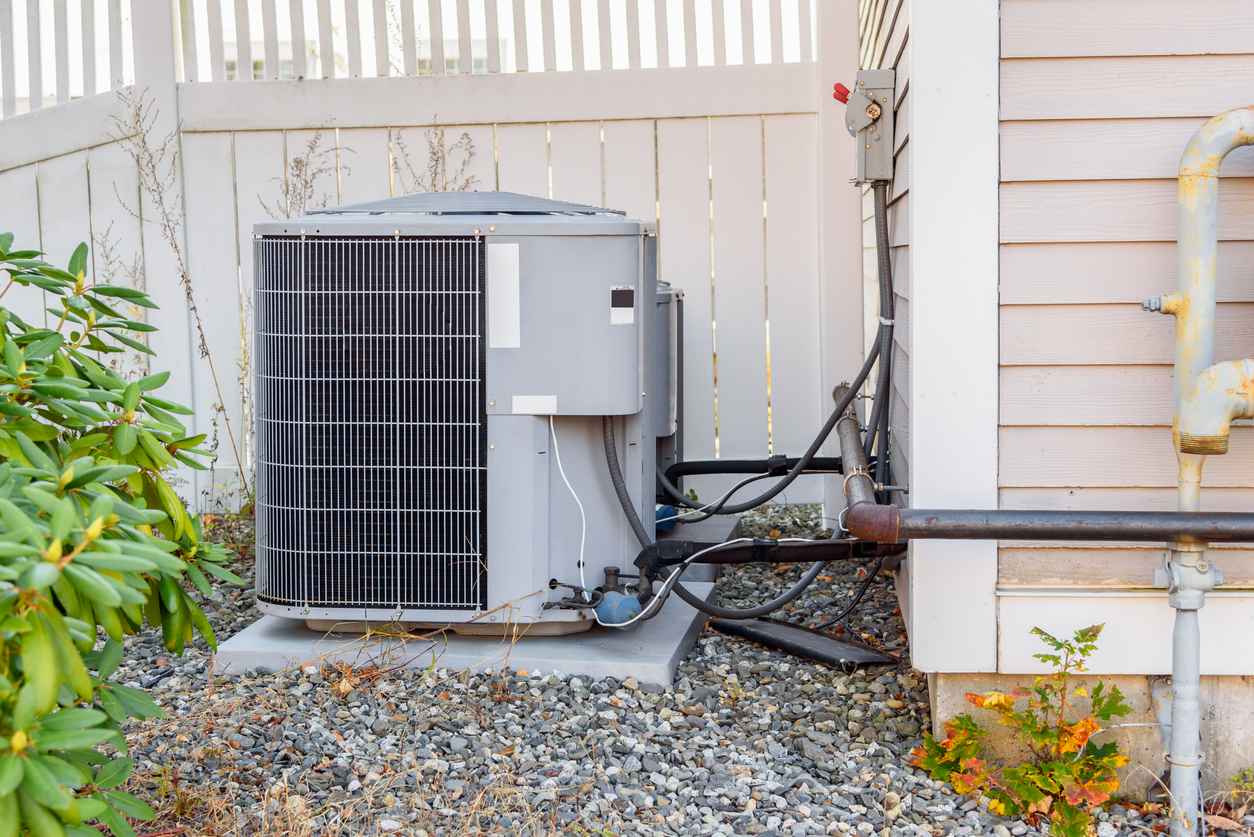
Your outdoor unit needs to “breathe” to release the heat it pulls from your home. During the winter, it is common for debris to accumulate around the base of the unit.
-
The Two Foot Rule: Ensure there is at least a two foot “buffer zone” around your condenser. Trim back any hibiscus, bougainvillea, or coastal sage that may have grown toward the unit during the rainy season.
-
Remove Winter Debris: Rake away dead leaves, twigs, and spiderwebs. These materials can block the aluminum fins on the side of your unit, preventing heat exchange.
-
Gently Rinse the Coils: Using a standard garden hose (never a pressure washer), gently spray the exterior coils to remove salt spray and dust. This simple step can improve your system’s efficiency by up to 15 percent.
Step 3: Inspect and Clear the Condensate Line
As your AC cools your home, it removes moisture from the air. In a humid Mission Viejo spring, this can result in gallons of water that need a place to go.
-
Algae Buildup: In our warm climate, algae and “slime” love to grow in the white PVC drain lines. If this line clogs, the water will back up and can cause significant damage to your drywall or flooring.
-
The Vinegar Trick: Locate the T-shaped vent on your indoor drain line and pour a cup of distilled white vinegar down it. This helps kill any fungal growth before it becomes a blockage.
-
Check the Exit: Ensure the end of the drain line outside your home isn’t buried in dirt or blocked by garden mulch.
Step 4: Test the Brain of Your System
Your thermostat is the “brain” that tells your AC when to work and for how long. An inaccurate thermostat leads to wasted energy and uneven cooling.
-
The Accuracy Test: Place a separate thermometer next to your thermostat. If the readings are more than two degrees apart, your thermostat may need recalibration or replacement.
-
Battery Check: If your thermostat uses batteries, spring is the perfect time to replace them. A “low battery” signal often leads to the system failing to turn on at all.
-
The Smart Upgrade: If you are still using a manual thermostat, consider a smart model. They allow you to adjust your home temperature from your phone when an unexpected warm spell hits while you are at work or at the beach.
Step 5: Perform a “Soft Launch”
Do not wait for a 90 degree day to find out if your AC works. Perform a test run when the weather is still mild.
-
Set the Goal: Turn your thermostat to “Cool” and set the temperature five degrees lower than the current room temperature.
-
Listen and Feel: Listen for any unusual clanking, buzzing, or squealing. These sounds often indicate a loose belt or a failing motor.
-
Vent Check: Walk through your home and ensure that cold air is blowing consistently from every vent. If one room is significantly warmer, you may have a ductwork leak.
The Mission Viejo Heating & Air Professional Tune-Up
While many of these steps are DIY friendly, there are some things only a professional can handle. Our tune-ups are designed to catch the small issues that lead to “mid-August meltdowns.”
-
Refrigerant Level Check: If your system is low on “juice,” it likely has a leak. Running an AC with low refrigerant can permanently damage the compressor.
-
Electrical Tightening: We inspect all wiring and tighten connections that may have loosened due to winter temperature fluctuations.
-
Amperage and Voltage Testing: We measure the “draw” of your motors to ensure they are operating within safe manufacturer limits.
At Mission Viejo Heating & Air, we take pride in being a family owned business that understands the specific needs of South Orange County. We know that your time is valuable, which is why we offer flexible scheduling during the spring “slow season” before the summer rush begins.
Contact Mission Viejo Heating & Air today to schedule your spring AC tune-up and ensure your home stays cool during the next California warm spell.
Recent News
5 Heat Pump Problems That Can Show Up After an Orange County Summer
How Coastal Orange County Weather Affects HVAC System Performance

Is a Smart Thermostat Worth Installing in Orange County Homes?
Why Some Mission Viejo Homes Stay Warm Even With the AC Running
Orange County Cooling Guide: Why Mission Viejo Homes Need High-SEER AC Units in 2026