Need Service Today? Contact Us Now!


How Coastal Orange County Weather Affects HVAC System Performance
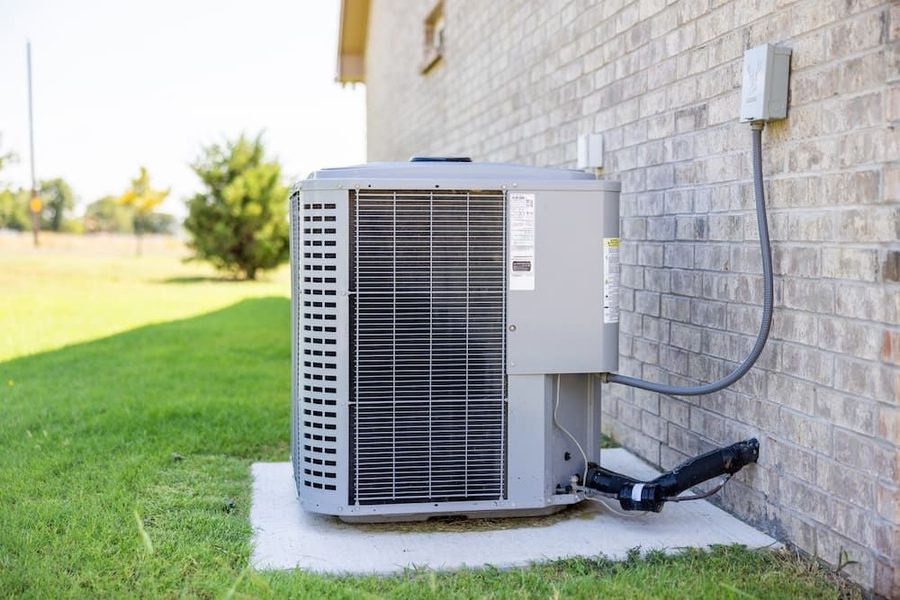
Living in Orange County means enjoying a relatively mild climate throughout much of the year, but mild weather does not mean your HVAC system has an easy job. Coastal moisture, periods of high heat, changing temperatures, and environmental exposure can all influence how effectively your heating and cooling equipment operates. Over time, these conditions can also contribute to wear that affects efficiency and reliability.
For Mission Viejo homeowners, understanding how Orange County weather affects HVAC performance can make it easier to recognize problems and care for heating and cooling equipment properly. Regular maintenance, good airflow, efficient thermostat settings, and timely repairs can help your HVAC system handle local conditions while keeping your home comfortable throughout the year.
What Makes Coastal Orange County’s Climate Different for HVAC Systems?
HVAC performance is affected by more than outdoor temperature alone. Humidity, moisture, air quality, equipment exposure, and the amount of time a system operates can all influence heating and cooling performance.
In coastal Orange County, homeowners should consider both the mild climate and the environmental conditions that come with living relatively close to the Pacific.
Mild Temperatures With Extended Cooling Needs
Compared with many inland areas, coastal Orange County generally experiences more moderate temperatures. However, air conditioning may still be needed across a long portion of the year, especially during warm afternoons and periods of hotter weather.
Even if an air conditioner is not operating at maximum capacity every day, frequent use throughout an extended cooling season can add up. Components experience normal wear whenever the system operates, making routine HVAC maintenance important even in a relatively mild climate.
Coastal Humidity and Moisture
Humidity can affect both indoor comfort and air conditioning performance. Your AC system does more than lower the temperature. As warm indoor air passes across the evaporator coil, the system also removes moisture.
When humidity levels are elevated, your home may feel warmer or less comfortable even when the thermostat displays a reasonable temperature. Managing both heat and moisture is an important part of maintaining indoor comfort.
Salt Air and Coastal Conditions
Homes closer to the coast may also experience exposure to airborne salt and moisture. Outdoor HVAC equipment is designed to withstand environmental conditions, but repeated exposure can contribute to corrosion over time.
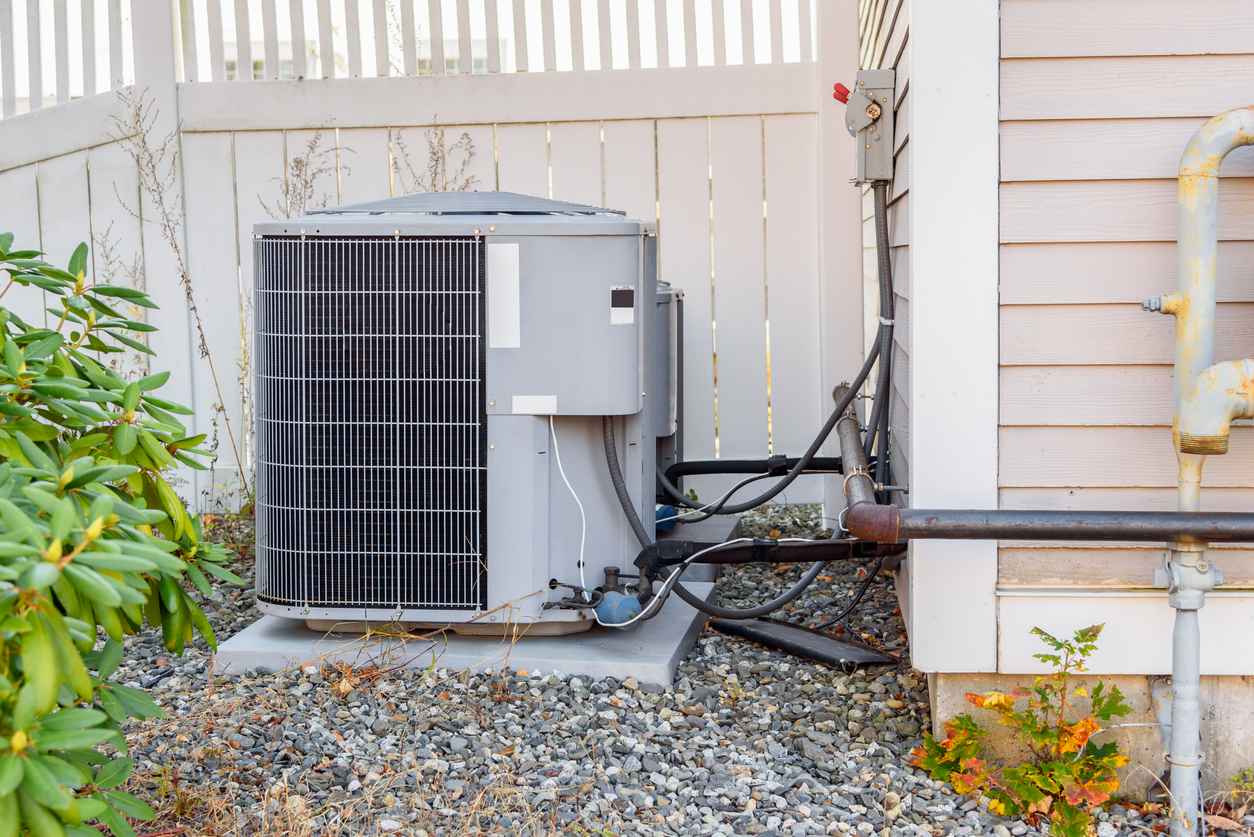
The outdoor condenser is particularly exposed because it operates outside year-round. Regular inspections can help identify corrosion or deterioration before it begins contributing to larger HVAC problems.
How Does Coastal Humidity Affect Your Air Conditioner?
Humidity can influence how comfortable a home feels and how effectively an air conditioning system maintains indoor conditions. A properly functioning AC system provides some dehumidification as part of the cooling process, but excessive indoor moisture can make comfort more difficult to maintain.
Your AC Has to Manage Heat and Humidity
As your air conditioner cools the home, moisture from the indoor air can condense on the cold evaporator coil. That moisture is then collected and removed through the system’s condensate drainage components.
When humidity is elevated, moisture removal becomes an important part of the cooling process. HVAC sizing, equipment condition, airflow, and system operation can all influence how effectively your AC manages indoor humidity.
Why High Humidity Can Make Your Home Feel Warmer
Humidity can make an indoor space feel warmer because moisture in the air affects how efficiently perspiration evaporates from your skin.
As a result, homeowners may respond to high humidity by repeatedly lowering the thermostat. This can increase air conditioner operation without necessarily addressing the underlying moisture problem.
If your home consistently feels clammy even when the temperature seems appropriate, it may be worth having the HVAC system evaluated rather than continuing to lower the thermostat.
Signs Your HVAC System Is Struggling With Humidity
Possible signs of an indoor humidity problem include:
-
Sticky or clammy indoor air
-
Condensation on windows or other surfaces
-
Musty odors
-
Rooms that feel warmer than the thermostat reading suggests
-
Long or unusual cooling cycles
-
Difficulty maintaining consistent comfort
Persistent humidity can have several possible causes, so professional evaluation can help determine whether your HVAC system or another home condition is contributing to the problem.
Does Salt Air Damage HVAC Systems in Orange County?
Salt air can contribute to HVAC wear, particularly for outdoor components exposed to coastal conditions over long periods.
The degree of exposure varies based on a home’s exact location, surroundings, weather patterns, and distance from the ocean. Not every Orange County HVAC system will experience the same level of salt-related deterioration.
How Salt Can Affect Outdoor AC Equipment
An outdoor condenser contains metal components that are exposed to the surrounding environment. Moisture, airborne contaminants, dirt, and salt particles can settle on these surfaces.
Over time, salt exposure can contribute to corrosion. Condenser coils and other metal components may be particularly important to monitor because their condition can affect both performance and equipment longevity.
Why Corrosion Can Affect HVAC Performance
Your outdoor AC unit needs to transfer heat effectively. When coils become dirty, damaged, or heavily corroded, heat transfer may become less effective.
Depending on the severity and location of the deterioration, corrosion can contribute to:
-
Reduced HVAC efficiency
-
Declining cooling performance
-
Component damage
-
More frequent repairs
-
Shortened equipment life
Visible corrosion does not automatically mean an HVAC system needs to be replaced, but it is worth having a professional inspect significant deterioration.
How Routine HVAC Maintenance Helps
Regular HVAC maintenance provides an opportunity to inspect outdoor equipment for dirt, corrosion, wear, and other developing problems.
A technician can evaluate system components, check operating performance, and determine whether cleaning, repair, or another service is appropriate. Finding deterioration early can sometimes prevent a relatively minor issue from developing into a more expensive problem.
How Do Orange County Temperature Changes Affect HVAC Performance?
Orange County does not experience the same temperature extremes as some parts of the country, but local HVAC systems still need to respond to changing conditions throughout the day and year.
Warm afternoons, cooler evenings, heat waves, and seasonal temperature changes can all influence system operation.
Warm Days and Cooler Nights
Temperature differences between daytime and nighttime can change how frequently your HVAC equipment needs to operate.
A thermostat that is properly programmed around your household schedule can help manage these changes without unnecessary heating or cooling. Instead of constantly making large manual adjustments, maintaining reasonable settings can provide more consistent comfort.
Seasonal Heat Waves
Hotter periods can put significantly more demand on an air conditioning system. During a heat wave, longer cooling cycles may be normal as your AC works against higher outdoor temperatures.
These periods can also reveal problems that were less noticeable during milder weather. Restricted airflow, dirty coils, aging components, or other performance issues may become more obvious when the system is operating under heavier demand.
If your AC cannot maintain a reasonable indoor temperature or begins behaving unusually during hot weather, professional HVAC service may be necessary.
Cooler Winter Weather
Although Mission Viejo winters are relatively mild, homeowners still rely on heating systems during cooler mornings, evenings, and seasonal cold spells.
Heating equipment that sits unused for long periods can still develop problems. Routine inspection and maintenance can help make sure the system is ready when temperatures fall and heat is needed.
Why HVAC Efficiency Still Matters in a Mild Coastal Climate
HVAC efficiency is important even when outdoor temperatures are moderate. A system does not need to run continuously for inefficient operation to affect energy consumption and home comfort.
Longer Periods of HVAC Use Add Up
A long cooling season can mean many hours of HVAC operation across the year. Small inefficiencies repeated over months can contribute to additional energy use.
Keeping equipment clean, maintaining good airflow, and addressing developing mechanical problems can help the system operate as intended.
An Inefficient System May Run Longer Than Necessary
When an HVAC system loses performance, it may need to operate longer to achieve the temperature set on the thermostat.
Several problems can contribute to excessive runtime, including dirty filters, airflow restrictions, dirty coils, equipment wear, and certain mechanical issues.
Longer cycles are not always a sign of a problem, particularly during hot weather. A noticeable change in how your system operates, however, can be a reason to schedule an inspection.
Poor HVAC Performance Can Affect Both Comfort and Energy Costs
An inefficient HVAC system may struggle to maintain consistent temperatures while consuming more energy than necessary.
Homeowners may notice uncomfortable rooms, frequent thermostat adjustments, longer operating cycles, or unexpected increases in energy bills. Addressing the cause can improve comfort while helping the system operate more efficiently.
What HVAC Problems Are Common in Coastal Orange County Homes?
Climate is only one factor affecting HVAC performance, but local environmental conditions can contribute to or worsen certain problems.
Some warning signs Mission Viejo and Orange County homeowners should watch for include:
Dirty or Corroded Outdoor Coils
Outdoor coils can accumulate dirt, debris, and environmental contaminants. If coil condition interferes with heat transfer, AC performance may suffer.
Restricted Airflow
Dirty air filters, blocked vents, duct problems, and other airflow restrictions can make heating and cooling less effective. Poor airflow can also place unnecessary strain on HVAC equipment.
Uneven Indoor Temperatures
If some rooms are consistently warmer or cooler than others, the problem could involve airflow, ductwork, insulation, system sizing, or HVAC performance.
Excess Indoor Humidity
A home that regularly feels humid or clammy may have an HVAC performance issue or another source of excess moisture that needs to be identified.
Short Cycling or Long Cooling Cycles
An air conditioner that repeatedly turns on and off after very short periods may be short cycling. Conversely, a system that suddenly begins running much longer than usual could also indicate a problem.
Both symptoms are worth investigating if they represent a noticeable change from normal operation.
Higher Than Expected Energy Bills
Energy costs can change for many reasons, including utility rates and weather. However, an unexplained increase accompanied by changes in HVAC performance may indicate that the system is using more energy than it normally does.
How Can Mission Viejo Homeowners Improve HVAC Performance?
You cannot control Orange County weather, but you can take steps to help your HVAC system operate effectively in local conditions.
Schedule Regular HVAC Maintenance
Routine professional maintenance is one of the most important ways to support HVAC performance. A technician can inspect the system, evaluate operating conditions, clean appropriate components, and look for signs of developing problems.
Maintenance also provides an opportunity to identify corrosion and other environmental wear that homeowners may not notice during everyday use.
Change HVAC Filters Regularly
A dirty HVAC filter can restrict airflow and make the system work harder to move conditioned air through your home.
Check filters regularly and replace them according to the filter manufacturer’s recommendations and your household conditions. Homes with pets, renovation dust, or other airborne particles may require more frequent filter attention.
Keep the Outdoor HVAC Unit Clear
The outdoor condenser needs adequate airflow to release heat effectively.
Keep leaves, vegetation, and other debris from accumulating around the unit. Avoid placing objects directly against the condenser, and watch for visible damage or significant corrosion.
Use Your Thermostat Efficiently
Large and frequent thermostat changes can lead to unnecessary HVAC operation. Maintaining reasonable temperature settings and using a programmable or smart thermostat schedule can make it easier to manage comfort efficiently.
A smart thermostat may also provide remote controls, scheduling, and energy-use information that can help homeowners better understand their HVAC habits.
Address Humidity and Comfort Problems
If your home feels uncomfortable despite an appropriate thermostat setting, repeatedly lowering the temperature may not be the best solution.
Persistent humidity, uneven temperatures, or airflow concerns should be evaluated to determine what is actually causing the comfort problem.
Can Coastal Weather Shorten the Life of an HVAC System?
Coastal environmental conditions can contribute to HVAC wear over time, but there is no single lifespan that applies to every system. Equipment quality, installation, maintenance history, usage, and environmental exposure all influence how long an HVAC system remains reliable.
Environmental Exposure and Equipment Wear
Outdoor HVAC equipment is constantly exposed to the elements. Moisture, salt, dirt, vegetation, and other environmental conditions can contribute to deterioration.
For homes with greater coastal exposure, monitoring the outdoor unit for corrosion can be an especially important part of HVAC care.
HVAC Runtime and Component Wear
Mechanical components experience normal wear as they operate. An HVAC system that runs frequently across a long cooling season may accumulate substantial operating hours even if the local climate is considered mild.
Proper maintenance can help identify worn components before they cause additional system problems.
The Role of Preventive Maintenance
Preventive HVAC maintenance cannot stop all equipment aging, but it can help identify issues that might otherwise go unnoticed.
Keeping the system clean, maintaining proper airflow, checking operating performance, and addressing minor problems promptly can help homeowners get the most practical service life from their equipment.
How Often Should HVAC Systems Be Maintained in Orange County?
Regular professional maintenance is recommended to keep heating and cooling equipment operating properly. The ideal schedule can depend on the type of system, equipment age, manufacturer recommendations, and how heavily the system is used.
For many homeowners, having cooling equipment checked before periods of heavier AC use and heating equipment evaluated before cooler weather can help prepare the system for seasonal demands.
Orange County homeowners may also benefit from paying particular attention to outdoor equipment condition. If your system is exposed to salt, moisture, debris, or other environmental contaminants, regular inspections can help catch corrosion and deterioration earlier.
Between professional visits, homeowners can support HVAC performance by replacing filters as needed, keeping the outdoor unit clear, monitoring energy use, and paying attention to changes in comfort or system operation.
Keep Your Home Comfortable With Mission Viejo Heating & Air
Your HVAC system needs to do more than handle the hottest days of summer. It needs to provide reliable, efficient comfort throughout Orange County’s changing conditions while dealing with everyday wear and environmental exposure.
Mission Viejo Heating & Air can help keep your heating and cooling equipment prepared for the demands of the local climate. Whether you are dealing with poor cooling performance, high indoor humidity, uneven temperatures, unusual HVAC operation, or simply need routine maintenance, professional service can help identify problems and keep your system performing as intended.
Contact Mission Viejo Heating & Air today to schedule HVAC service and keep your Orange County home comfortable throughout the year.
Recent News
5 Heat Pump Problems That Can Show Up After an Orange County Summer
How Coastal Orange County Weather Affects HVAC System Performance
Is a Smart Thermostat Worth Installing in Orange County Homes?
Why Some Mission Viejo Homes Stay Warm Even With the AC Running
Orange County Cooling Guide: Why Mission Viejo Homes Need High-SEER AC Units in 2026