Need Service Today? Contact Us Now!


5 Heat Pump Problems That Can Show Up After an Orange County Summer
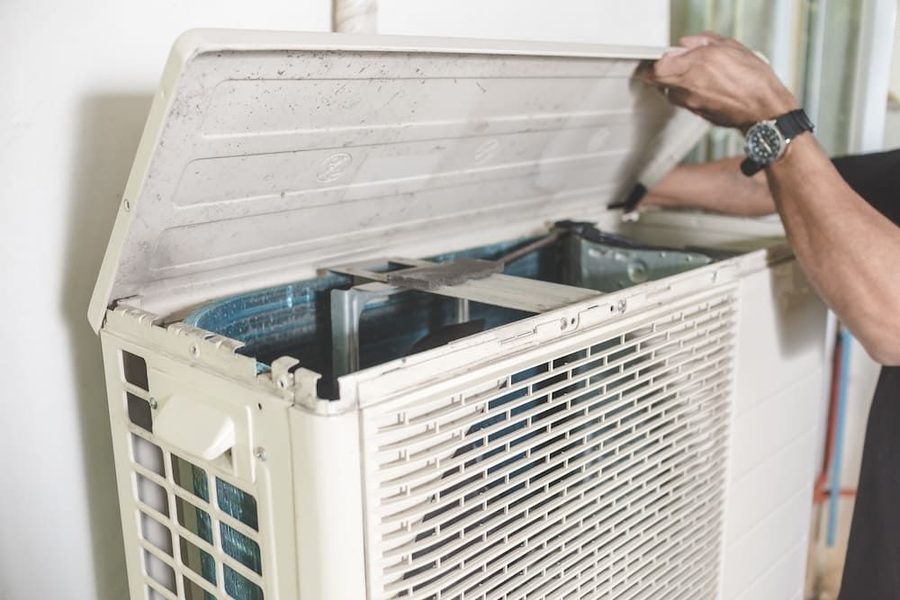
After months of warm weather, your heat pump may have spent much of the Orange County summer keeping your home cool. As temperatures moderate and the system eventually transitions to heating, you may notice changes in its airflow, performance, or operation.
A long cooling season does not automatically damage a heat pump. However, extended operation can make existing or developing problems more noticeable. Because many heat pump components work during both heating and cooling, an issue that developed during summer can also affect comfort when you switch modes. Here are five heat pump problems Orange County homeowners should watch for after cooling season.
Why Can Heat Pump Problems Appear After Summer?
After months of cooling operation, heat pump problems involving airflow, coils, condensate drainage, electrical components, or the transition between heating and cooling may become easier to notice.
Heat pumps use many of the same components throughout the year. Instead of having separate systems for heating and cooling, a heat pump reverses its operation when you change modes.
Fall is therefore a useful time to pay attention to how your system is operating and address unusual symptoms before you depend on it for heating.
1. Restricted Airflow
Weak airflow is one of the more noticeable HVAC problems and can have several potential causes.
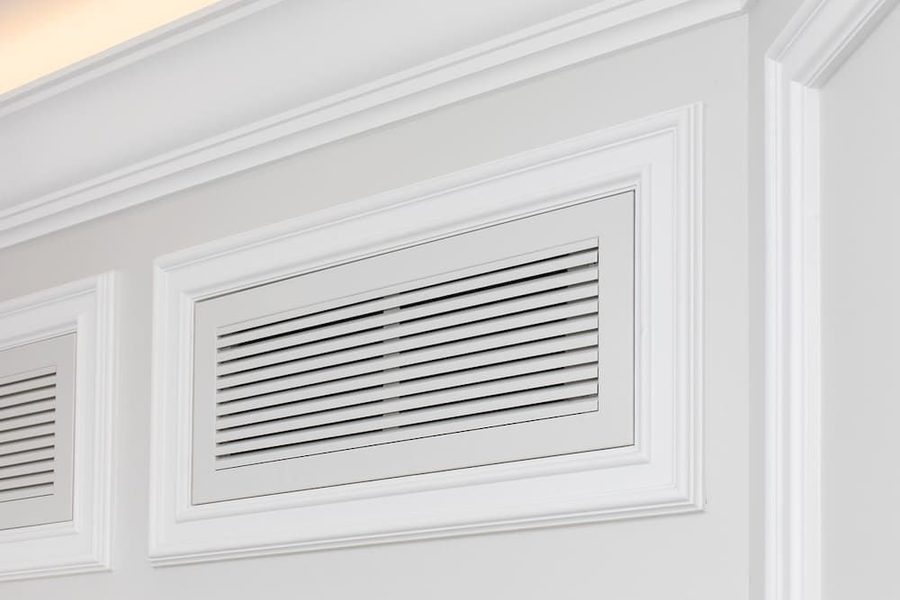
A dirty or overly restrictive air filter can reduce airflow through the system. Blocked supply or return vents, blower problems, dirty HVAC components, and damaged or restricted ductwork can also contribute.
Signs of an airflow problem can include:
-
Weak air coming from vents
-
Uneven temperatures between rooms
-
Longer operating cycles
-
Difficulty maintaining the thermostat setting
Start by checking your filter and replacing it when necessary according to its condition and manufacturer recommendations. Make sure supply and return vents are not blocked by furniture, rugs, or other belongings.
Avoid routinely closing supply vents in unused rooms, as doing so can affect system airflow.
If airflow remains weak after these basic checks, the underlying cause may require professional diagnosis.
2. A Dirty or Obstructed Outdoor Coil
Your outdoor heat pump needs adequate airflow to transfer heat effectively.
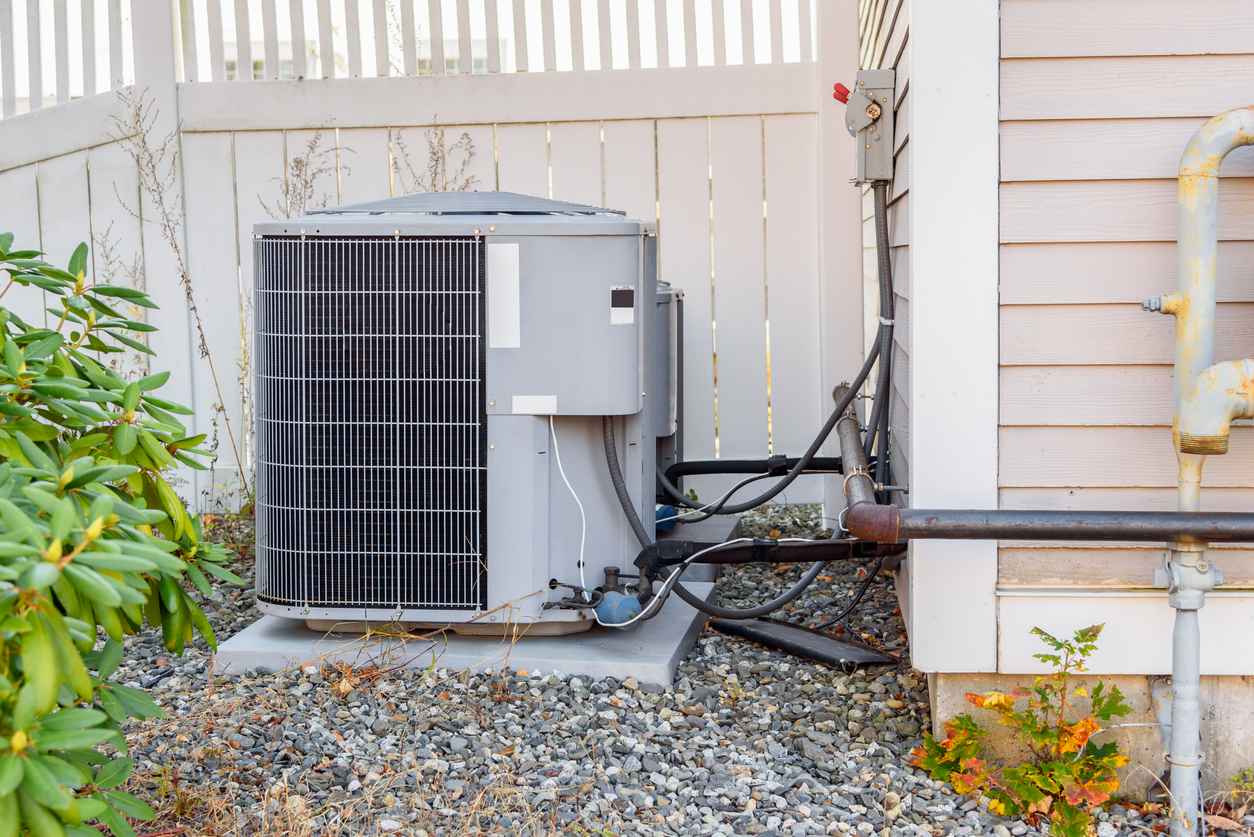
Throughout an Orange County summer, the outdoor unit can be exposed to dust, grass, leaves, landscaping debris, and other material. Excessive accumulation around or on the equipment can interfere with airflow.
Homeowners can keep the immediate area around the outdoor unit clear of accessible loose debris and maintain the clearance recommended by the equipment manufacturer.
Cleaning the actual coil may require more care. Avoid disassembling the unit or using aggressive cleaning methods that could damage delicate components.
If your heat pump is running longer than usual, struggling to maintain temperature, or performing differently after summer, coil condition is one of several factors a technician may evaluate.
3. Condensate Drain Problems
During cooling operation, a heat pump does more than lower the temperature inside your home. It also removes moisture from indoor air.
That moisture collects as condensation and must drain away properly. After months of cooling operation, a clogged or restricted condensate drain can become a noticeable problem.
Potential warning signs include:
-
Water around indoor HVAC equipment
-
Water accumulating in a drain pan
-
Musty odors near the system
-
Unexpected system shutdowns
Some HVAC systems include a float switch or another safety device designed to shut the equipment down when water reaches a certain level.
Water near your HVAC equipment can have multiple causes, so do not assume a clogged drain is always responsible. If water continues to collect, have the source identified.
4. Electrical or Control Problems
Heat pumps depend on electrical components and controls to start, stop, move air, and change operating modes.
Depending on your equipment, these components can include capacitors, contactors, motors, control boards, wiring connections, sensors, and thermostat controls. A problem with one of these components may become noticeable after a season of frequent operation.
Possible symptoms include:
-
Heat pump will not start
-
Frequent cycling
-
Unexpected shutdowns
-
Buzzing or unusual electrical sounds
-
Breaker trips
-
Thermostat commands that do not produce the expected response
A breaker that repeatedly trips should not simply be reset over and over. The breaker is a safety device, and repeated trips can indicate an electrical or equipment problem that needs diagnosis.
Homeowners should also avoid opening HVAC electrical compartments or attempting internal electrical repairs.
5. Trouble Switching From Cooling to Heating
One problem that is particularly relevant to heat pumps can become apparent when Orange County weather finally cools down.
A heat pump changes between cooling and heating by reversing the direction of refrigerant flow. A component called the reversing valve plays an important role in this process.
If the system has trouble making that transition, you might notice that:
-
The heat pump cools but will not heat
-
The system appears stuck in one mode
-
Your home does not warm when the thermostat calls for heat
-
Vent temperatures seem inconsistent with the selected mode
The reversing valve is not the only possible cause. Thermostat problems, controls, refrigerant-system issues, or other equipment failures can produce similar symptoms.
Professional diagnosis is important before replacing or repairing any particular component.
Is It Normal for Heat Pump Air to Feel Cooler Than Furnace Air?
If you previously lived in a home with a furnace, heat pump heating may feel different.
Air from a heat pump can feel less intensely hot than air produced by some furnaces even when the system is operating normally.
Rather than judging performance only by how the air feels when you hold your hand near a vent, pay attention to whether the system can maintain your thermostat setting and keep the home comfortable.
If it cannot reach the desired temperature or operates differently than usual, schedule an inspection.
Is Ice on an Outdoor Heat Pump Normal?
The answer depends partly on when the ice appears.
Ice forming on the system during summer cooling operation is not part of a normal defrost cycle and can be associated with airflow, refrigerant-system, or equipment problems.
During cool-weather heating, however, some frost can develop on the outdoor coil under certain conditions. Heat pumps are designed to periodically enter a defrost cycle when needed.
A temporary change in operation or steam around the outdoor unit during defrost can be normal. Heavy ice that persists and does not clear should be evaluated.
When Should You Schedule Heat Pump Repair?
Consider professional heat pump service if you notice:
-
Persistent weak airflow
-
Repeated breaker trips
-
Water around indoor equipment
-
Unusual grinding, buzzing, or rattling
-
Persistent outdoor-unit icing
-
Frequent cycling
-
Unexpected shutdowns
-
Failure to switch between heating and cooling
-
Inability to maintain the thermostat setting
These symptoms can have multiple causes, so accurate diagnosis is important before deciding what needs to be repaired.
Can Fall Heat Pump Maintenance Help?
Fall maintenance provides an opportunity to evaluate your heat pump after cooling season and before you rely on it for heating.
Depending on the system, a professional HVAC technician may inspect airflow, coils, condensate drainage, electrical components, thermostat controls, heating operation, and other applicable components.
Maintenance cannot guarantee that a future breakdown will never happen, but it can identify certain problems and confirm that the system is operating as expected.
Schedule Orange County Heat Pump Service With Mission Viejo Heating & Air
Restricted airflow, dirty outdoor equipment, condensate drainage problems, electrical issues, and trouble switching modes can all affect heat pump operation after summer.
If your heat pump is behaving differently after a long cooling season, contact Mission Viejo Heating & Air. Our team provides professional heat pump maintenance and repair for homeowners in Mission Viejo and throughout Orange County to help keep HVAC systems ready for changing seasonal temperatures.
Recent News
5 Heat Pump Problems That Can Show Up After an Orange County Summer
How Coastal Orange County Weather Affects HVAC System Performance
Is a Smart Thermostat Worth Installing in Orange County Homes?
Why Some Mission Viejo Homes Stay Warm Even With the AC Running
Orange County Cooling Guide: Why Mission Viejo Homes Need High-SEER AC Units in 2026